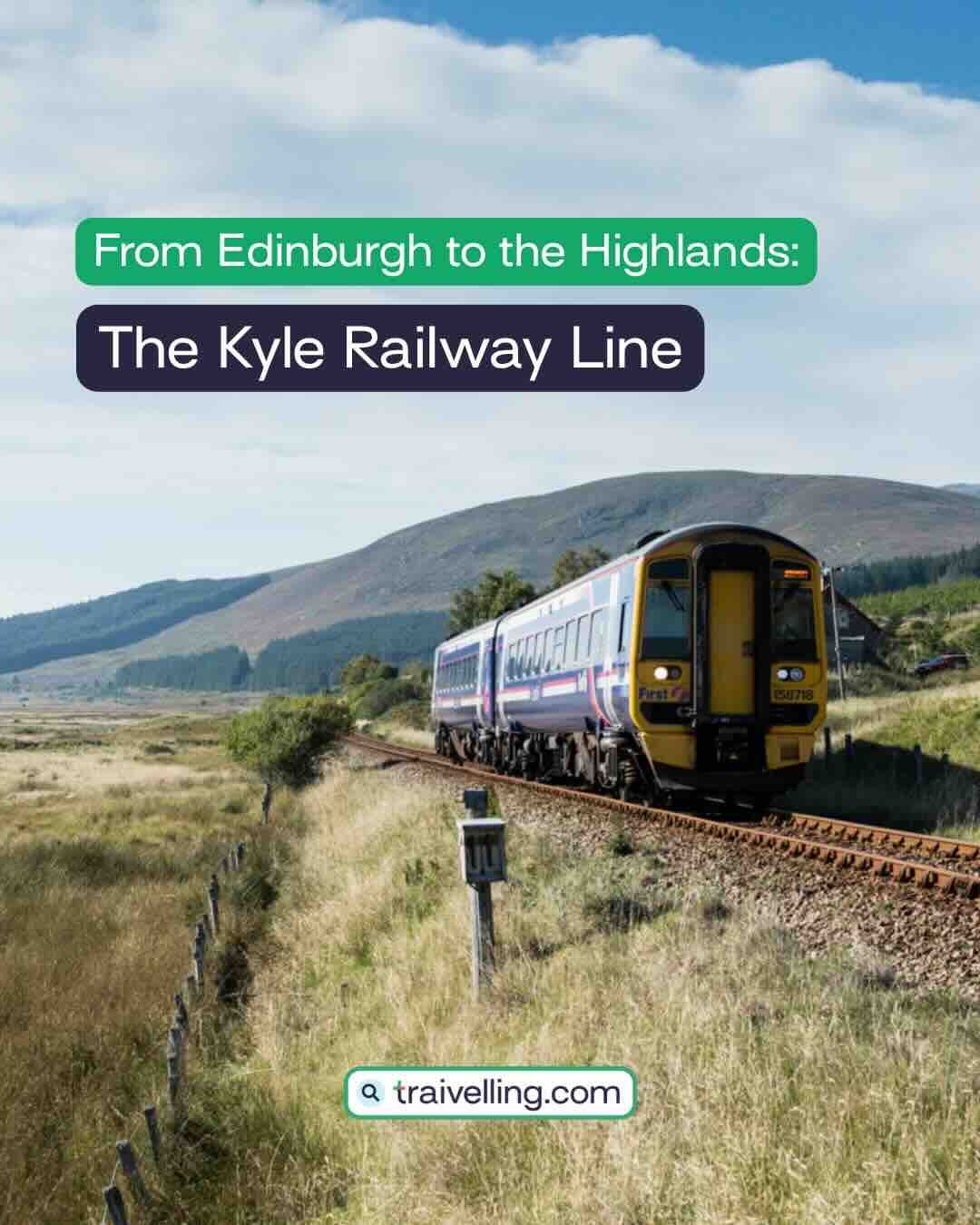
The Kyle Railway Line
Find the best routes to Edinburgh now
There is a train journey in the Scottish Highlands that feels like stepping into a moving postcard. The Kyle Railway Line runs from Dingwall to the fishing village of Kyle of Lochalsh on the west coast. This is not a high-speed dash. It is a slow ride through moorland, lochs, rivers and mountain views that look untouched by time. The journey is peaceful, but full of things to see. This route is perfect for anyone who wants to swap city noise for quiet landscapes, or for travellers who love to watch nature change outside the window as the train moves west.
The Kyle Railway Line opened in 1870 and was built to connect the west coast with the rest of Scotland. Before the railway, reaching the west was difficult. The route was a lifeline for small villages, helping to carry fish, goods and people across the Highlands. Today, the line is known more for tourism than transport of goods, but the tracks still follow the same path through mountains and glens.
The scenery is the star here. Leaving Dingwall, the train runs through farmland and wooded hills. Soon the land opens up into wide moors with heather and the sound of streams. Snow can still be seen on peaks in early spring. The light changes often. Clouds roll in fast, then pull back to reveal blue sky over the lochs. This mix of sea water, freshwater, mountains and small villages makes the trip feel like several journeys in one.
Getting to Dingwall, the start of the Kyle Railway Line, is easy from Scotland’s biggest cities. From Edinburgh Waverley, take a train to Inverness. The trip takes about 3 hours 30 minutes. From Glasgow Queen Street, the train to Inverness takes about the same time. Once in Inverness, change onto a ScotRail service heading to Kyle of Lochalsh. Dingwall is the first stop, just 25 minutes from Inverness. Some travellers start the journey in Inverness, but beginning at Dingwall gives more time to explore the town before boarding. Inverness and Dingwall are both small enough to walk around easily before the next train. Tickets for the Kyle Line can be booked through the ScotRail website or app, and it is best to book ahead in busy months.
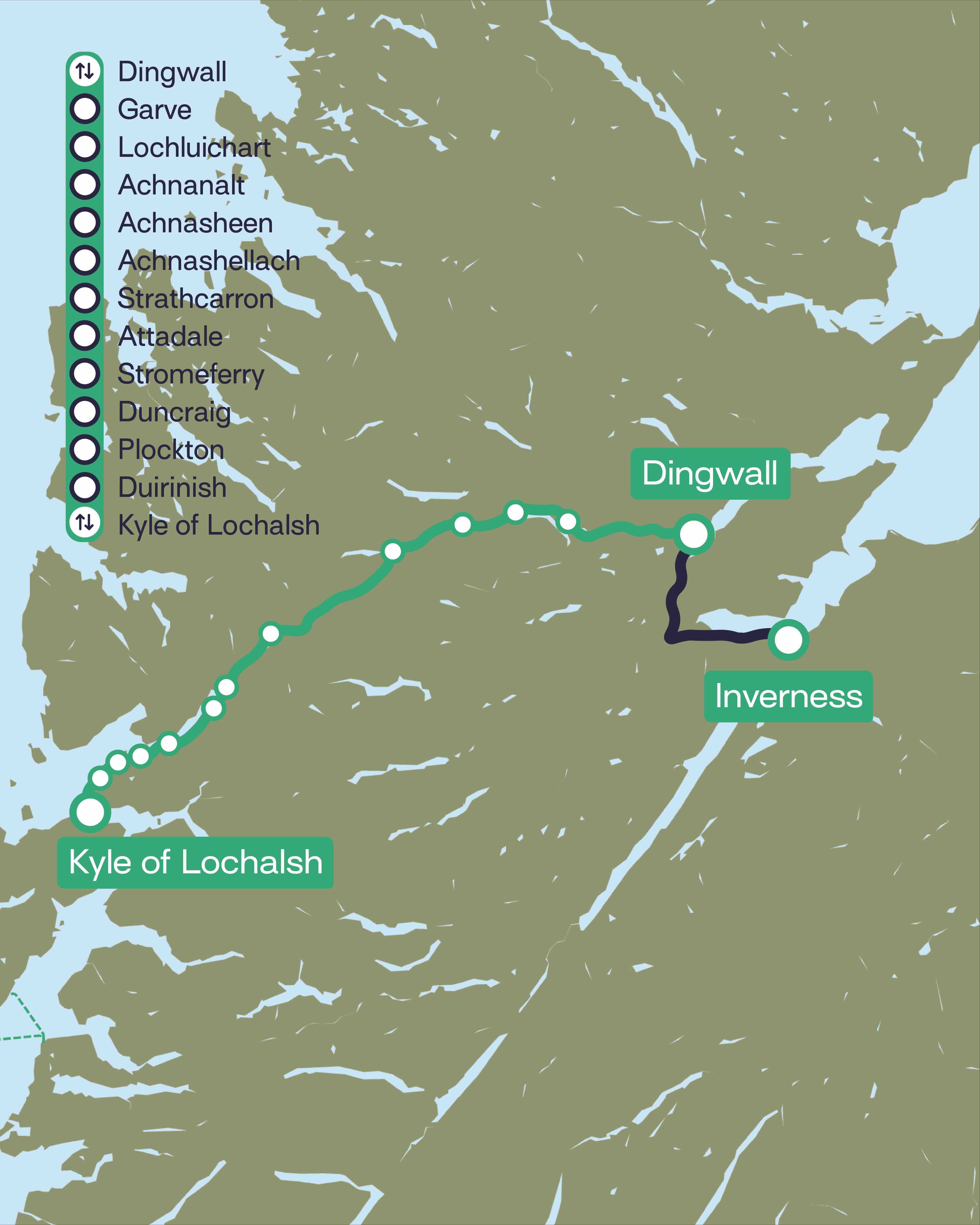
Garve
Garve is a small stop that feels far from anywhere. It is surrounded by forest and open hills, making it popular with walkers. It is a good place to hop off if planning to explore local trails. The station itself is quiet, but its charm lies in how remote it feels.
Blackwater River
Not far from Garve, the train crosses the Blackwater River. This is one of the most photographed spots on the line. The river rushes below in all seasons, but after heavy rain it becomes a wild torrent. Keep a camera ready as the train slows slightly for the bridge.
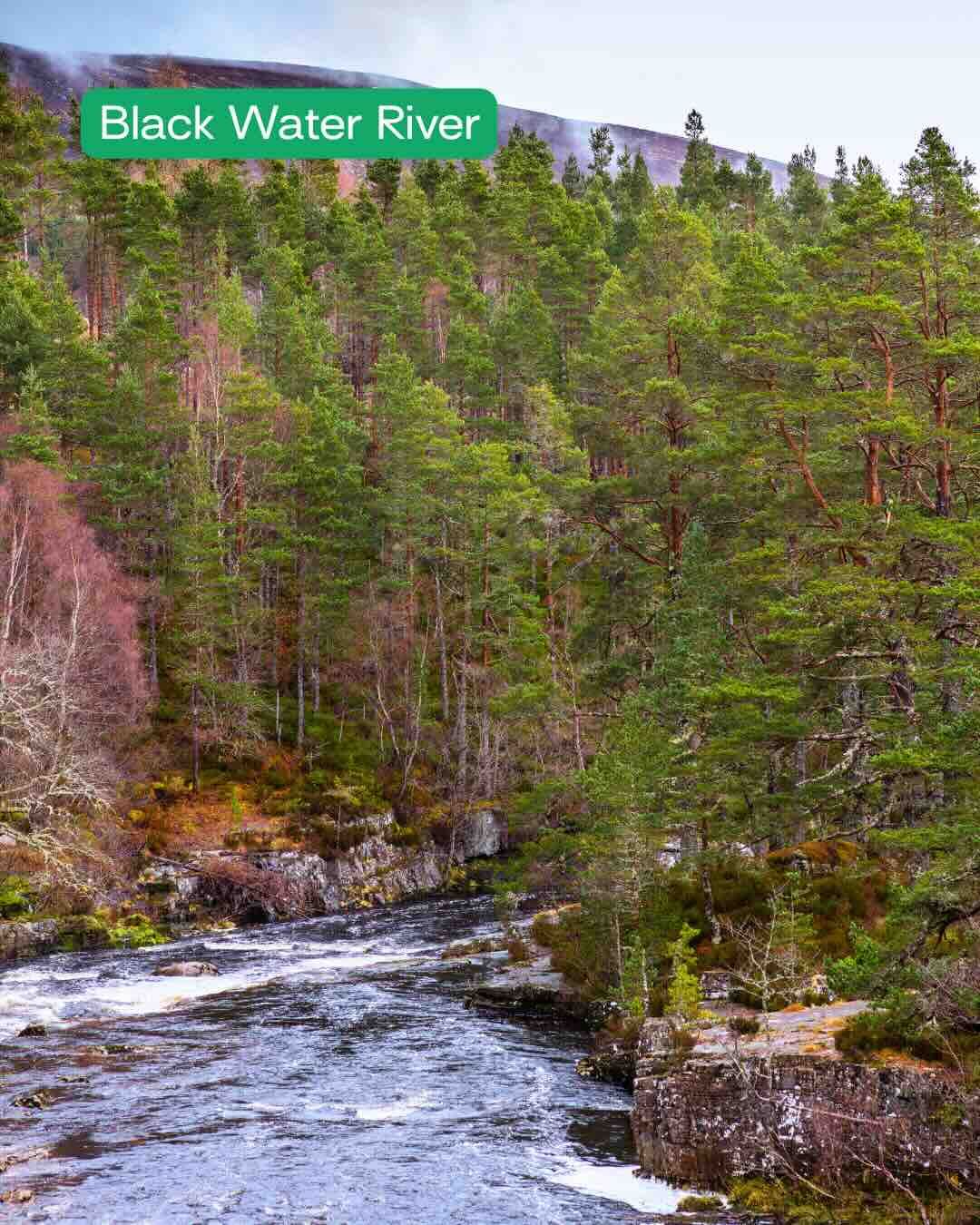 Black Water River - MicheleVacchiano
Loch Luichart
The line then curves along the edge of Loch Luichart. The water can be still as glass, reflecting the mountains, or full of ripples from wind. Small cottages and fishing boats dot the shore. In autumn, the trees around the loch turn gold and red, giving the scene an even richer colour.
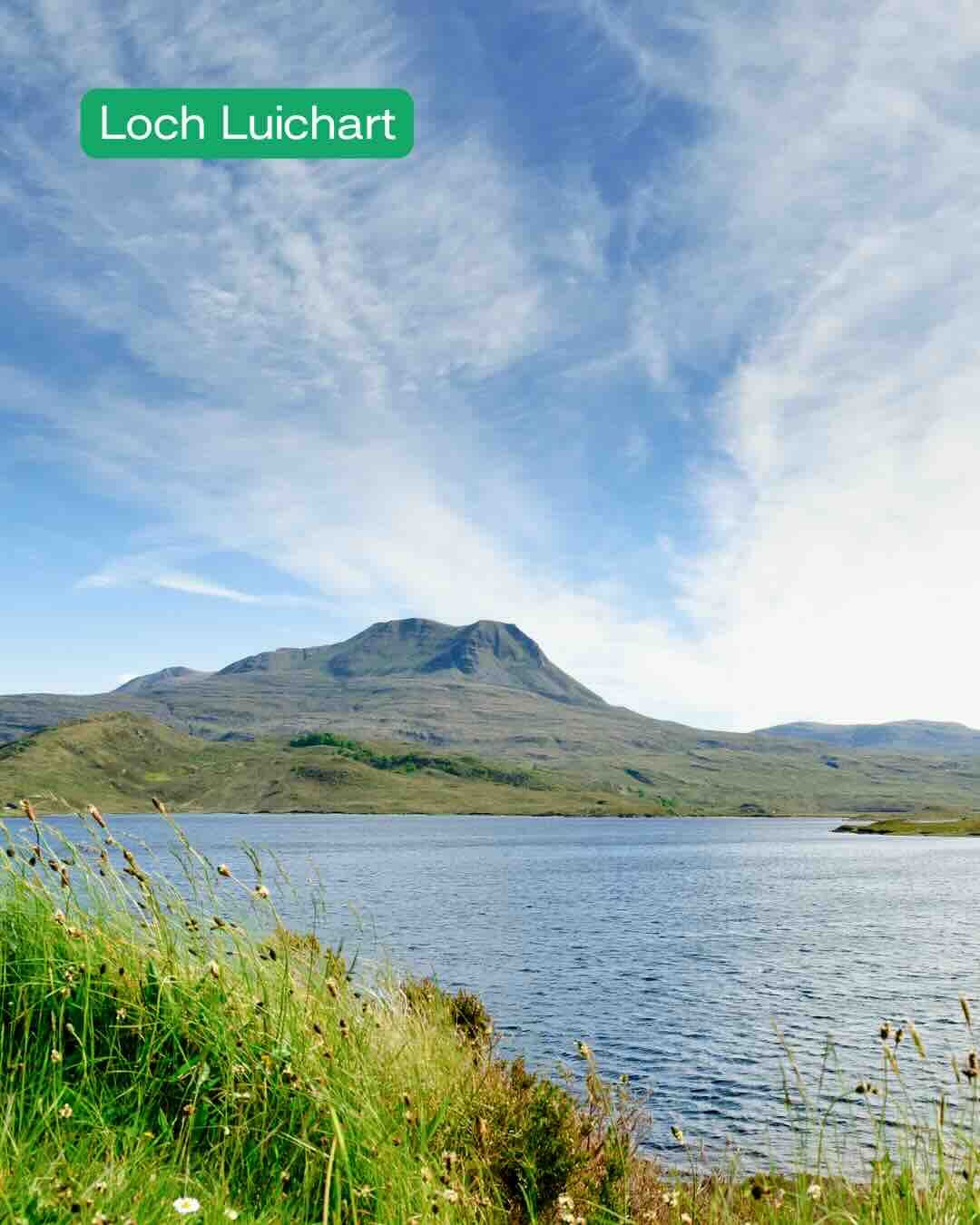 Loch Luichart - pb_pictures
Plockton
Plockton is the most famous stop before Kyle of Lochalsh. Known as the "Jewel of the Highlands," it is a tiny coastal village with palm trees, thanks to the mild climate brought by the Gulf Stream. The harbour is lined with boats and whitewashed houses. Plockton is a good place to try fresh seafood in one of the small pubs or cafes. There are also short walks along the shore for sea views.
Plockton is the most famous stop before Kyle of Lochalsh. Known as the "Jewel of the Highlands," it is a tiny coastal village with palm trees, thanks to the mild climate brought by the Gulf Stream. The harbour is lined with boats and whitewashed houses. Plockton is a good place to try fresh seafood in one of the small pubs or cafes. There are also short walks along the shore for sea views.
Kyle of Lochalsh
The last stop is Kyle of Lochalsh, a working fishing port and the gateway to the Isle of Skye. From here, a bridge connects to Skye, making it easy to continue exploring. The harbour area is a nice place to stretch legs, watch boats come in, and enjoy fish and chips from a local shop. The air here smells of the sea and salt.
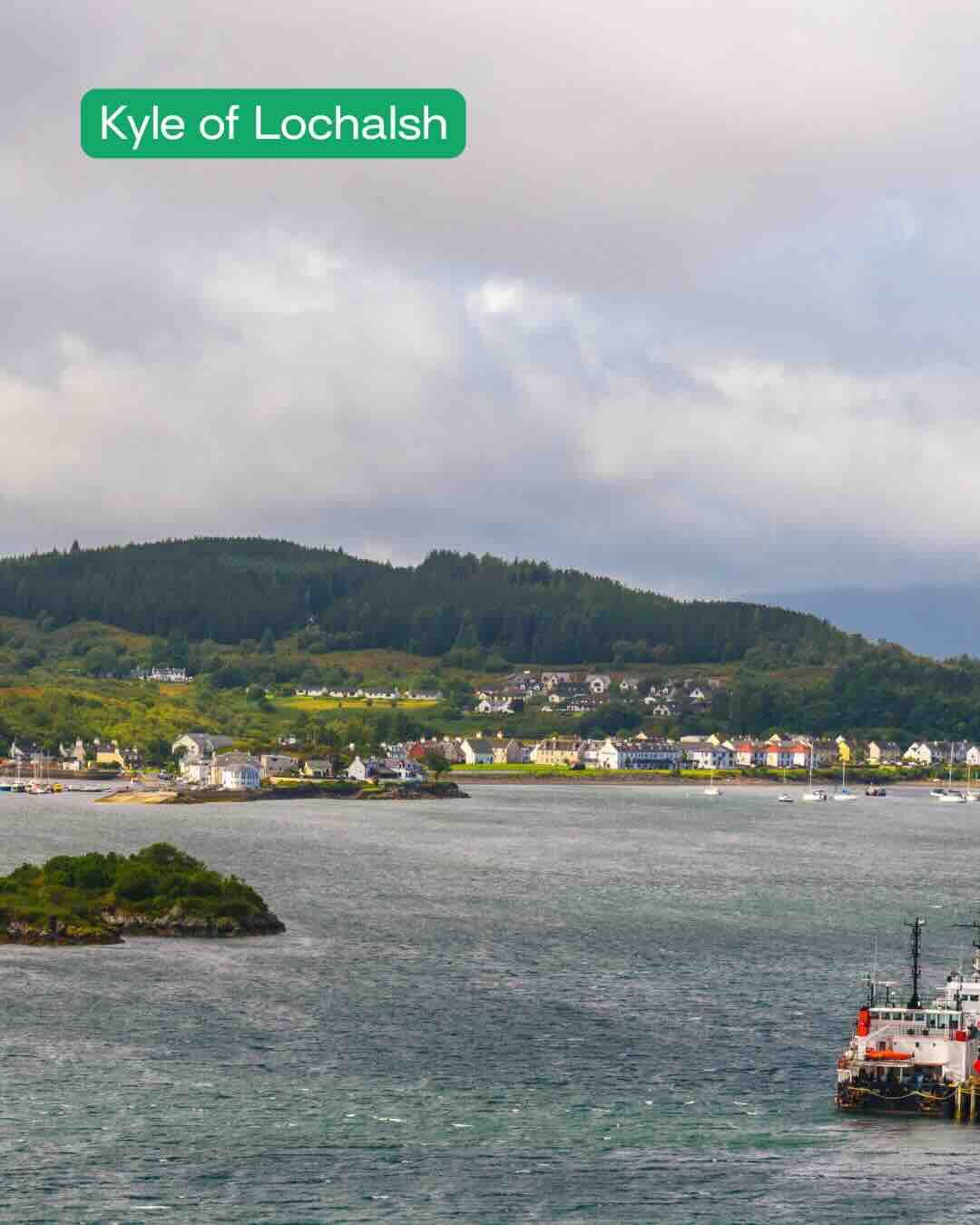 Kyle of Lochalsh - Ossiridian
One unique feature of the Kyle Railway Line is that it offers one of the least crowded scenic train rides in the Highlands. Unlike the Jacobite Steam Train or the West Highland Line, this route often has space even in summer. This means more room to move between seats and see the view from both sides of the carriage.
For those who want to add something special, ScotRail sometimes offers a "Friends of the Kyle Line" commentary service on certain trains. Volunteers share local stories, point out landmarks and even talk about the wildlife seen along the route. It is not on every train, so check before booking.
Another unique point is how close the train runs to the water. In some sections, the tracks hug the shoreline so tightly that it feels like the train is skimming the loch’s surface. This is especially true near Loch Carron before reaching Plockton, where seals can sometimes be spotted on the rocks.
The Kyle Railway Line is beautiful in every season, but each brings a different mood. Spring brings fresh green hillsides, blooming wildflowers and lambs in the fields. Summer offers long days, bright colours and the warmest weather. Autumn is rich with gold, orange and red leaves, and the low sun makes the lochs shine. Winter can be magical with snow on the peaks, but be ready for short daylight hours and the chance of service changes in bad weather.
For those looking to combine the trip with outdoor walking, late spring or early autumn is best. The air is cooler, midges are fewer, and the colours are vibrant. Summer is ideal for those who want to spend time in Plockton or on Skye without worrying about rain, though Scotland’s weather can always surprise.
Happy traivels! ☺️🌿🚅
12.08.2025